

Tourism data suggests that experiential vacation has developed by over 35% globally, with food-based activities ranking among the very best three choices for international travelers. In destinations like Venice and Rome, culinary tourism remains to expand as visitors seek immersive social experiences rather than traditional sightseeing alone. Among these, cooking classes in Venice have grown to be a standout appeal, especially for English-speaking tourists from countries like the United States, the United Kingdom, Canada, and Australia.
One of the very most usually requested questions is just why Venice stands apart in comparison to different Italian cities. Data show that more than 606 of tourists in Venice participate in one or more led social task, and cooking classes position one of the highest-rated experiences. The attraction lies in the city's special blend of record, local components, and personal understanding environments. Readers are not just shown dishes but in addition introduced to Venetian traditions, seasonal produce, and local cooking practices that vary from the rest of Italy.

Yet another important development requires convenience for international visitors. Around 70% of culinary classes in Venice now present English-speaking instructors, ensuring a smooth and participating experience. This is particularly beneficial for people from English-speaking places, as it eliminates language barriers and enhances the instructional price of the class. Many periods also contain advised industry tours, enabling participants to investigate regional materials and realize their sources before cooking.
Travel behavior insights demonstrate that tourists significantly prefer small-group or individual classes. Knowledge suggests that 55% of bookings are actually for individualized or boutique experiences rather than large group sessions. That shift highlights the rising demand for reliability and hands-on interaction. Readers frequently question whether these classes are suited to novices, and the answer is overwhelmingly positive. Many applications are designed to provide all skill degrees, making them available to even people that have no prior cooking experience.
Site also represents a crucial position in decision-making. cooking classes based near central parts or iconic landmarks in Venice tend to position larger in local research results and attract more bookings. Furthermore, many tourists mix their Venice culinary knowledge with trips to Rome, developing a broader Italian food journey. This dual-destination approach has improved by nearly 25% in recent years, specially among tourists from France and Spain who are discovering Italy's local diversity.
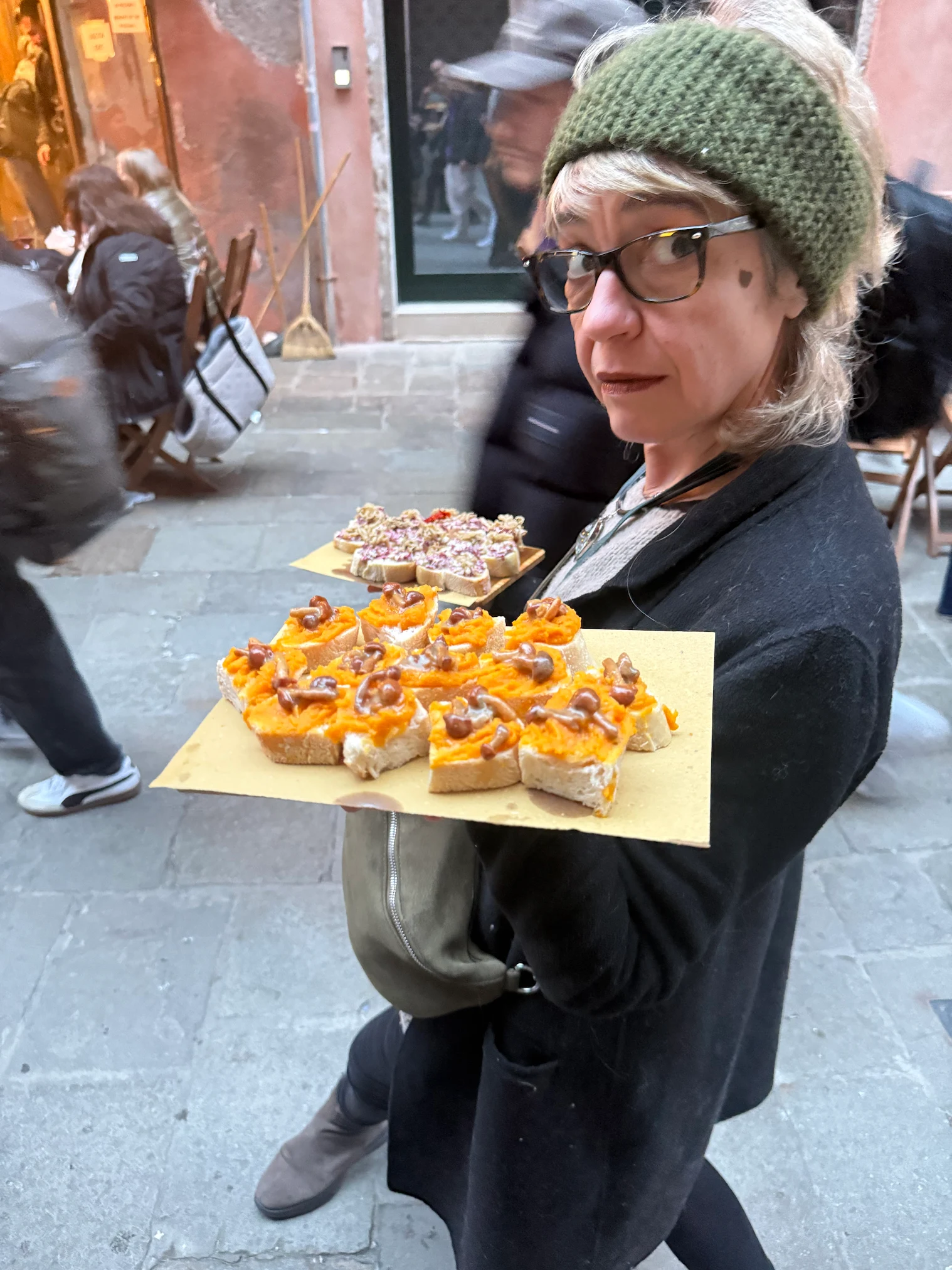
Yet another frequent issue revolves around the kinds of dishes taught. Venetian cooking classes often focus on fresh pasta, seafood specialties, and traditional desserts. Periodic menus are a essential spotlight, ensuring that players knowledge authentic tastes aligned with regional traditions. That focus on credibility contributes to higher satisfaction charges, with more than 908 of members rating their knowledge as “excellent” or “really good.”
Digital developments also reveal that people rely greatly on regional SEO and map-based searches whenever choosing activities. Entries improved for Venice and Rome locations tend to execute considerably greater, particularly when they contain obvious explanations, current schedules, and genuine reviews. Businesses that maintain powerful on the web exposure and provide comprehensive booking possibilities see as much as 40% larger engagement.
To sum up, cooking classes in Venice are more than simply a tourist activity—they symbolize a growing segment of experiential travel driven by credibility, convenience, and ethnic immersion. For English-speaking tourists, these classes offer a special possibility to connect with Italian history while producing wonderful, hands-on experiences that extend much beyond the kitchen.